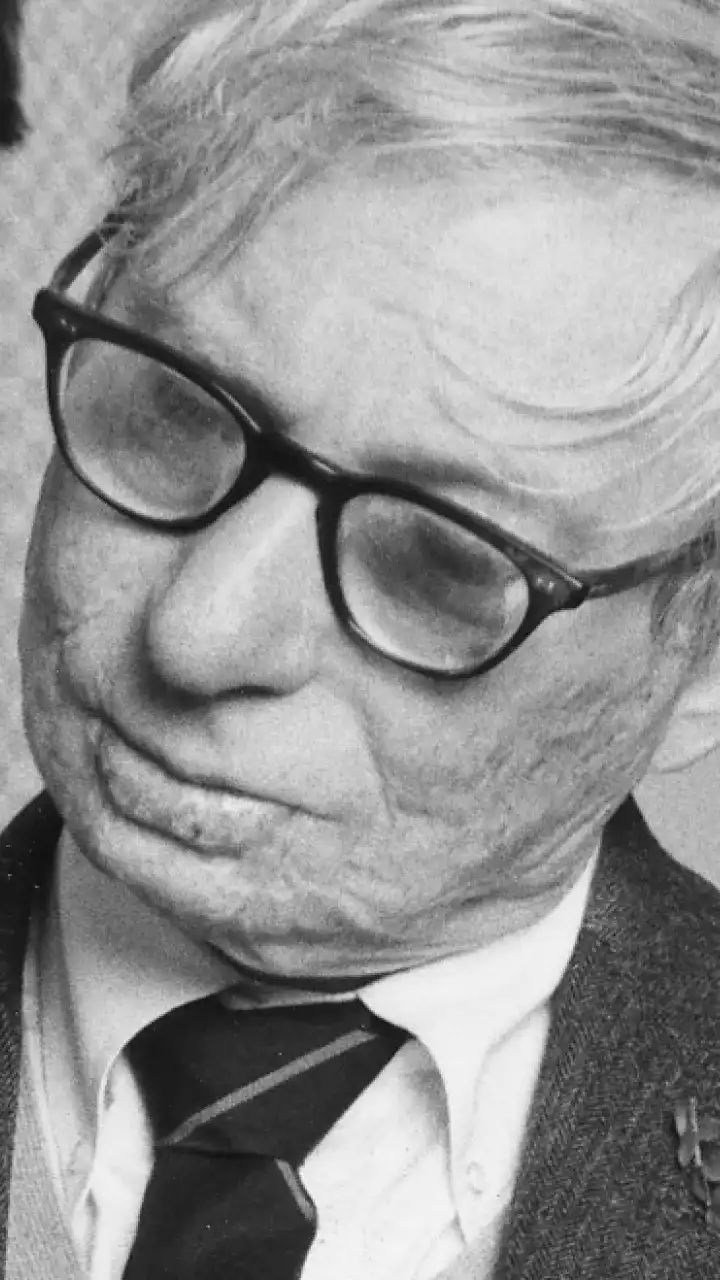
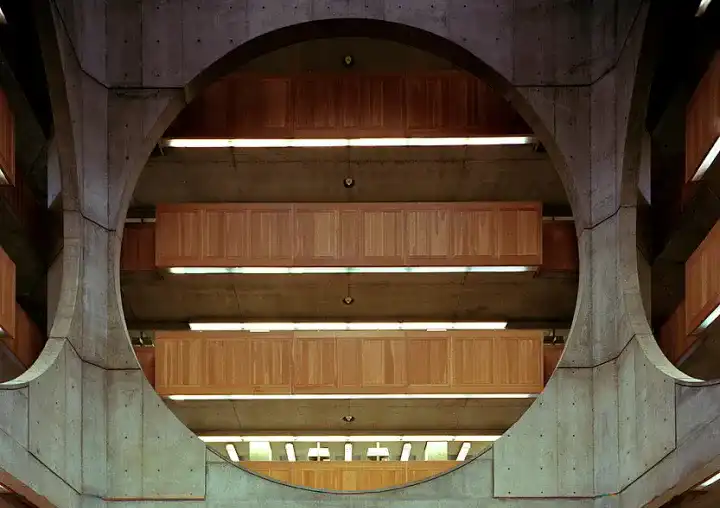
Louis I. Kahn, an enigmatic yet revered figure in the field of architecture, remains a source of inspiration for generations of architects and design enthusiasts. His works, characterized by their simplicity, elegance, and deep connection to light, have left an indelible mark on the urban landscape.
From Estonia to Architectural Fame
Born Itze-Leib Schmuilowsky in Estonia in 1901, Kahn immigrated to the United States in his childhood and embarked on a architectural journey that would redefine the boundaries of modern design. His early works, influenced by European modernist movements, showcased his keen interest in geometric forms and functional aesthetics.
Bold Breakthroughs and Spatial Harmony
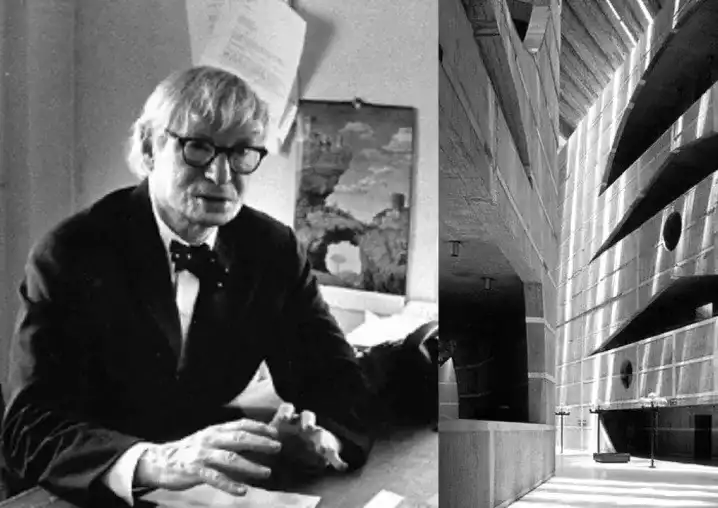
Kahn's breakthrough came in the 1950s with the realization of iconic projects such as the Yale University Art Gallery and the Salk Institute for Biological Studies. These structures, infused with his distinctive boldness and spatial harmony, established him as a leading architect of his time.
Light as a Guiding Force
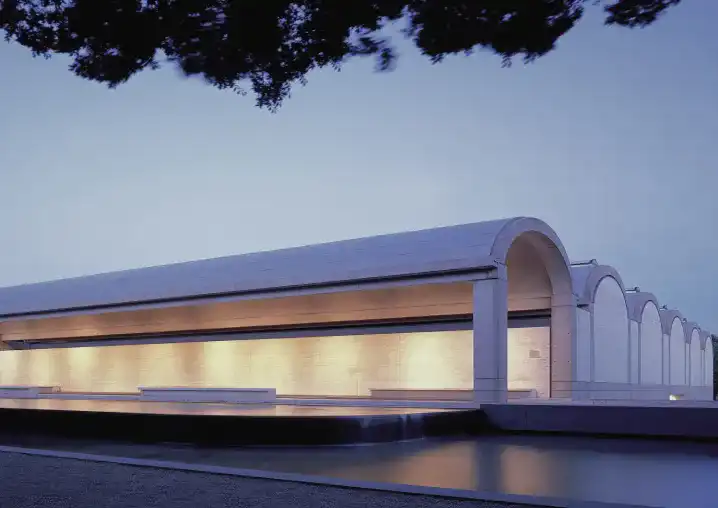
Kahn's deep understanding of light and its interaction with architecture became a hallmark of his designs. He meticulously manipulated natural light to accentuate architectural forms and create a sense of wonder and spiritual transcendence within his buildings.
Inspiring Heritage
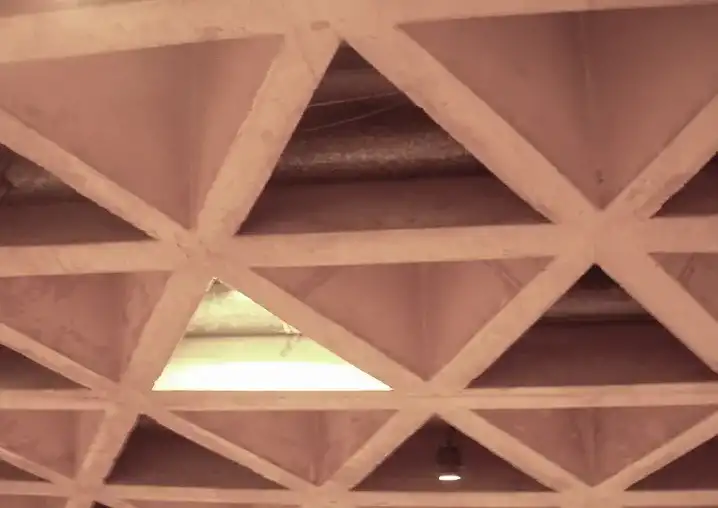
The legacy of Louis I. Kahn goes beyond his physical works. His philosophical approach to architecture, emphasizing the human experience and the connection between architecture and the natural world, continues to inspire architects and design enthusiasts worldwide.
Discover his works
Learn more
